Source Disposable Tpu Dental Syringe Sleeves for Clinics
Find 30 options for disposable tpu dental syringe sleeves designed for hospital and dental department use. Compare specifications including CE and FDA certifications, sizes like 7*100cm, and customization features to select the right surgical supplies materials for your practice.
Key considerations
Products List




Comprehensive Sourcing Guide
Disposable TPU Dental Syringe Sleeves Sourcing Guide
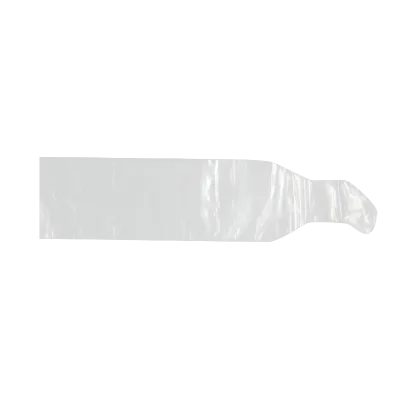
Procuring disposable TPU dental syringe sleeves requires a strategic focus on material integrity and precise dimensional compatibility to ensure clinical safety and operational efficiency. These sleeves serve as critical barriers between dental handpieces and sterile packaging, preventing cross-contamination during procedures. Buyers must prioritize suppliers who offer customization options, as standard sizes may not fit all specific instrument models. The availability of extra-thin designs enhances tactile sensitivity for dentists while maintaining robust puncture resistance, a key factor in preventing accidental tears during high-speed drilling or scaling operations.
The market landscape includes various specialized variants, such as air-water syringe sleeves, dental scaler sleeves, and light handle sleeves, each requiring distinct verification protocols. Observations indicate that products are often constructed from a combination of TPU and PE materials, housed in PP packaging, and certified under CE and FDA standards. Sourcing decisions should be guided by the specific model numbers, such as HL-6578 or DC02, which denote unique sizing and coupling agent requirements. Understanding these distinctions is vital for aligning inventory with the diverse equipment fleets found in modern dental departments.
Product Scope and Observed Listing Signals
The observed product range encompasses a variety of disposable surgical supply materials designed specifically for adult use in hospital and dental settings. Listings frequently highlight attributes such as ethylene oxide sterilization, indicating a ready-to-use state that reduces preparation time in clinical environments. The typical packaging format involves individual bagging with a gross weight of approximately 0.1kg, facilitating easy storage and inventory management. Buyers should note that while the primary material is plastic, specific variants utilize TPU or PE blends to achieve the necessary elasticity and durability for repeated instrument insertion.
Commercial signals suggest a flexible ordering structure, with minimum order quantities ranging from single units to large bulk orders of up to 300,000 pieces. This variability allows clinics of all sizes to procure appropriate volumes without excessive capital tie-up. The presence of logo printing services indicates that many manufacturers support branding initiatives, allowing dental practices to maintain a consistent professional image. Additionally, the observed price range of 0 to 11.03 USD reflects significant variation based on material thickness, certification levels, and order volume, necessitating careful cost-benefit analysis for each procurement cycle.
Technical Specifications to Verify
Dimensional accuracy is paramount when selecting syringe sleeves, as improper fit can compromise sterility or damage delicate dental instruments. Buyers must verify specific size parameters, such as 7100cm or 420cm, against their existing handpiece inventory to ensure a snug fit. The inclusion of coupling agents in some designs enhances adhesion and stability during use, reducing the risk of slippage. It is essential to confirm the model number, such as HL-6568 or W370.18, as these identifiers often correspond to specific instrument geometries and functional requirements unique to different dental equipment manufacturers.
Material composition directly impacts performance, with TPU offering superior elasticity and tear resistance compared to standard PE alternatives. The extra-thin attribute is a notable feature that improves operator feedback but requires rigorous quality control to prevent micro-tears. Buyers should also assess the shelf life, which is typically listed as three years, ensuring long-term storage viability. Verification of the instrument classification, often Class I, helps in understanding the regulatory burden and risk profile associated with the product. Confirming these technical details prevents operational disruptions and ensures patient safety during procedures.
Compliance and Safety Documentation
Regulatory compliance is non-negotiable for medical-grade disposable sleeves, with CE and FDA certifications serving as primary indicators of quality assurance. Buyers must request valid certificates to verify that the manufacturing process adheres to stringent safety standards. The presence of ethylene oxide sterilization certification confirms that the products are free from harmful microbial contaminants, a critical requirement for invasive dental procedures. Documentation should clearly state the sterilization method and validity period to ensure that the inventory remains safe throughout its intended shelf life of three years.
Beyond initial certifications, ongoing quality assurance involves verifying adherence to recognized standards such as ISO 13485 for medical device quality management. While specific test results like ISO 10993 for biocompatibility are not always explicitly listed, buyers should inquire about these evaluations to ensure material safety. The classification of the product as surgical supplies materials underscores the need for rigorous documentation. Procurement teams should maintain a centralized repository of all compliance documents, regularly auditing them to ensure they remain current and valid for the jurisdictions in which the dental practice operates.
Cost Drivers and Commercial Terms
Several factors influence the final cost of disposable TPU dental syringe sleeves, including material quality, certification levels, and order volume. The observed MOQ of 10 cartons suggests that smaller orders may incur higher per-unit costs due to setup and handling fees. Buyers should negotiate tiered pricing structures that reward larger commitments, especially for high-volume clinics. The inclusion of customization services, such as logo printing, may add to the base price but can provide long-term branding value. Understanding these cost drivers helps in budgeting accurately and avoiding unexpected expenses during peak procurement periods.
Payment terms and delivery timelines are critical components of the commercial agreement. Typical arrangements involve TT payment methods, with delivery scheduled approximately 30 days after payment confirmation. Buyers should factor in this lead time when planning inventory replenishment to avoid stockouts. The packaging format, whether in boxes or paper boxes, can also impact shipping costs and storage requirements. Clear communication regarding these terms ensures a smooth transaction process and minimizes the risk of delays that could disrupt clinical operations.
Supplier Qualification and Quality Control
Selecting a reliable supplier involves evaluating their production capabilities, quality control processes, and after-sales support. Suppliers originating from regions like Hebei, China, often have established manufacturing infrastructures, but buyers must verify their specific quality management systems. Requesting samples before bulk ordering allows for hands-on assessment of material thickness, elasticity, and fit. The availability of online technical support is a valuable indicator of a supplier’s commitment to customer satisfaction and problem resolution.
Quality control should extend beyond initial sampling to include regular audits of production batches. Buyers should inquire about the supplier’s defect rate and their procedures for handling non-conforming products. The two-year quality guarantee period offered by some suppliers provides an additional layer of protection against premature failures. Establishing a clear communication channel for reporting issues ensures that any quality concerns are addressed promptly. Building a relationship with a supplier who prioritizes transparency and continuous improvement is essential for maintaining a consistent supply of high-quality dental sleeves.
Long-Term Procurement Checks
Sustainable procurement practices require regular review of supplier performance and product efficacy over time. Buyers should track metrics such as delivery punctuality, defect rates, and customer feedback to identify potential issues early. The dynamic nature of dental technology means that instrument models may change, necessitating periodic re-evaluation of sleeve compatibility. Maintaining a diverse supplier base can mitigate risks associated with supply chain disruptions or sudden price increases. Regularly updating inventory specifications ensures that the practice remains equipped with the most suitable and efficient products.
Continuous improvement in procurement processes involves staying informed about industry trends and regulatory changes. Engaging with professional networks and attending dental trade shows can provide insights into new product innovations and best practices. Buyers should also consider the environmental impact of their procurement choices, exploring options for recyclable packaging or sustainable materials where feasible. By adopting a proactive approach to supplier management and product evaluation, dental practices can ensure long-term operational efficiency and patient safety.
FAQs
What is the quality guarantee period for these sleeves?
The quality guarantee period is two years for the listed products. This assurance applies to the plastic and TPU/PE materials used in the surgical supplies. Buyers can rely on this duration for their hospital usage scenarios without additional warranty claims.
Can I request logo printing on the disposable sleeves?
Yes, logo printing is available for these disposable tray and dental sleeves. The customization option allows buyers to add branding to the product. This feature is suitable for hospitals and dental departments requiring specific identification on the packaging or sleeve surface.
Which certifications do these surgical supplies hold?
The products hold CE and FDA certifications as documented in the specifications. Some listings also mention CE and UL certifications for specific models. These certifications ensure the items meet required safety standards for use in hospital and dental department environments.
How long is the delivery time after payment?
The delivery time is 30 days after payment is received. This lead time applies to the standard production and shipping process for the air water syringe sleeves. Buyers should plan their procurement schedule accordingly to ensure timely arrival at their facility.
What is the minimum order quantity for these items?
The minimum order quantity is 10 cartons for the standard listing. However, observed ranges show MOQs can vary from 1 to 300,000 units depending on the specific supplier and model. Buyers should verify the exact requirement for their selected product model.
Are these sleeves suitable for dental department use?
Yes, these sleeves are explicitly designed for the dental department. They include models like dental scaler sleeves and handpiece sleeves. The specialized instrument equipment classification confirms their suitability for professional dental procedures and hospital applications.
What material is used to manufacture these sleeves?
The primary materials are plastic, specifically PP, TPU, and PE. These materials ensure the sleeves are extra-thin and disposable. The composition supports ethylene oxide sterilization and provides the necessary durability for surgical and dental instrument protection.